Rzeszów - Poland
About Rzeszów
Rzeszów is the largest city in South-Eastern Poland. It was founded in 1354 upon the banks of the Wisłok river. Many powers came and went, including the Kingdom of Galicia & Volhynia, Ruthenia, Polish Lithuanian Commonwealth, Austrian Empire, Austro-Hungarian Empire, Communist era People’s Republic, and the Present-Day (3rd) Republic. It featured prominently in both world wars, with the second world war erasing its very large Jewish population.
Unlike many European cities, Rzeszów is growing rapidly. Its slogan is the “Capital of Innovation“, and it boasts many historic and touristic places such as the famous Revolution Monument, City Hall, Old Town/Market Square, Rzeszów Castle, Lubomirski Palace, Trasa Podziemna, Pedestrian Roundabout, Multimedia Fountain, and the Bernardine Gardens. Rzeszów plays host to a slew of cultural events, including the Jednego Serca Jednego Ducha Festival, Rzeszów Carpathia Festival, Galicja Festival, The World Festival of Polish Folk Ensembles, the Rise of Eastern Culture Festival – the European Stadium of Culture Festival and The Polish Folkloric Dance Festival.
Population: ~220,000
Ethnic groups: Poles, Yiddish Jews, Germans, Ukrainians, Kazakhs, Lithuanians
Religions: Catholic Christianity
Temperature averages: 24C/75F high, -4C/25F low
Elevation: 209m; 2,655m in the nearby Carpathian Range
Currency: Złoty
Tallest building: Capital Tower C1, 262ft, 25 floors
Animals & Wildlife
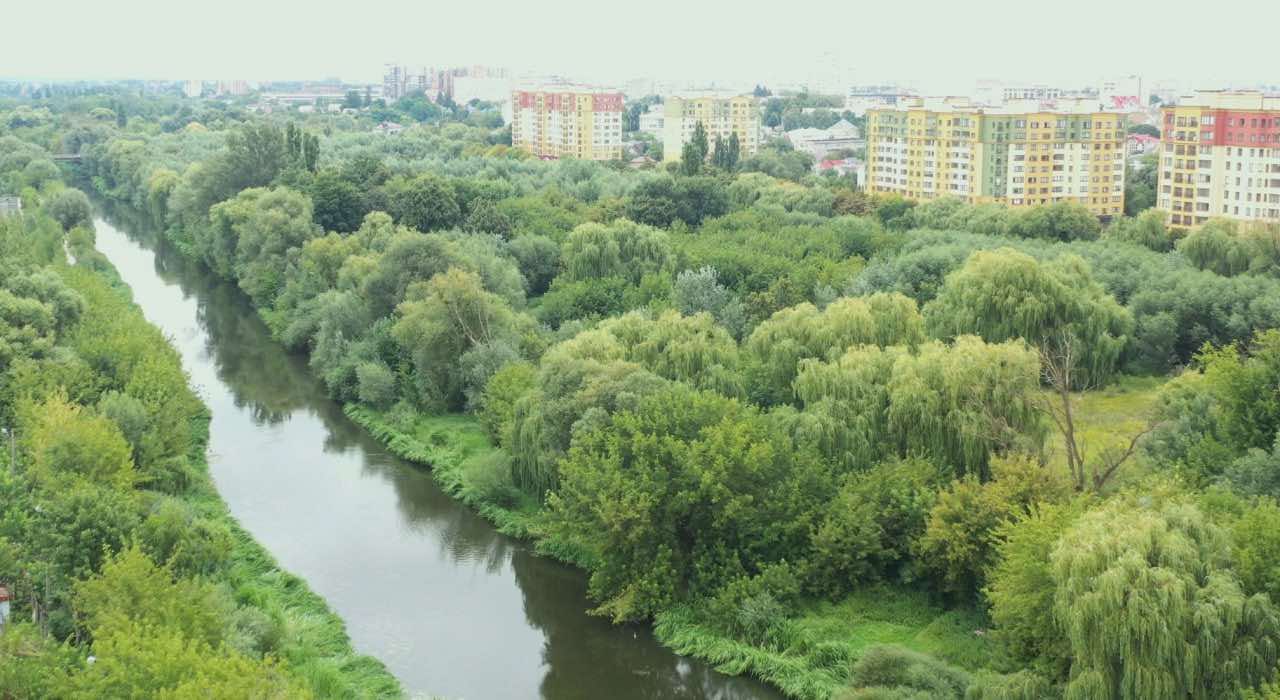
Nestled in the Carpathian mountains against the Wisłok river, Rzeszów boasts many areas of natural beauty. Some species endemic to these mountains include the Carpathian Brown Bear, the Eurasian Lynx, and the Carpathian Chamois.
The city of Rzeszów joined the nationwide “Bee-friendly commune” initiative and the EU Pollinator Initiative to counter the decline of wild pollinators in the EU. The first municipal apiary was established in Rzeszów on the roof of the Rzeszów Shopping Mall, in the city center. The project “Apiary in the Heart of the City” is a completely new approach to the topic of the constant presence of bees in the city. The apiary will perform several key functions, the most important of which will be nationwide educational activities.

Since 2013
Rzeszów and Gainesville have been linked since 2013, when 6 representatives from Poland visited Gainesville.
These representatives consisted of the Vice Governor of Podkarpacki Region, Slawomir Miklisz; Rzeszow Mayor Tadeusc Ferenc; City Council Chairman Andrzej Dec; President of the University of Rzeszow, Dr. Aleksander Bobko; President of Polytechnic, Dr. Marciniec; and Ms. Furtak-Zebracka, Director of International Relations.
The University of Florida Gator User Design club created this website.
P.K. Yonge, DRS collaborated with Primary School No. 25 on Installation Art Projects
P.K. Yonge, DRS students created video guides for Rzesów
Exchanges and Delegations
Both Gainesville mayors since the inception of the relationship, Craig Lowe and Lauren Poe, have visited Rzeszów. Rzeszów mayor Tadeusz Ferenc visited Gainesville, as well.
The two cities are similar in many ways. Rzeszów also has 50,000
college students, a diverse transportation system, high school
magnet programs, medical advances in cardiology and neonatal care,
technology incubators and aviation, so multiple venues of exchange
are possible.
Stories
“Our goal is to facilitate communication among scientists at UF Health and in Poland who share research interests,” Good said. “We want to foster collaborative research that will attract funding and strengthen our communities’ economies and ultimately enhance health.”
Michael L. Good, M.D., dean of the UF College of Medicine (2015)
“I’m pleasantly surprised by the beauty of Gainesville, how green and a wonderful place it is to live. We can see a very effective management of the city by the leaders. When we were invited first to become a partner city we wondered if it would work because the ocean divides us, but after three visits we are convinced it will be an excellent future for us.”
Rzeszów Deputy Mayor Stanislaw Sienko (2014)